


Why We Roast Daily - And Why It Matters for Your Cup
Coffee Has a Clock
Here is something most coffee brands would rather you did not think about: roasted coffee goes stale. Not in the way bread goes stale -- you will not see mold or smell anything off. It just slowly stops tasting like much of anything. The chocolate notes flatten. The fruit disappears. What is left is generic, dull, and vaguely bitter.
This does not take months. It takes weeks. Roasted coffee hits its peak flavor window roughly 7 to 21 days after roasting. After that, the decline is steady. By the time a bag has been sitting on a grocery shelf for two or three months -- which is standard for most commercial brands -- a huge chunk of what made it interesting is already gone.
That is why we roast daily at Enigma Coffee. Not as a marketing line. As a logistics decision.
What Happens to Coffee After Roasting
The moment coffee comes out of the roaster, a process called degassing begins. The beans release CO2 that built up during roasting. In the first 24 to 48 hours, the release is heavy -- this is why most roasters recommend waiting a day or two before brewing a fresh batch. The CO2 can interfere with extraction and make the cup taste uneven.

After that initial rest, the coffee opens up. Flavors become clearer and more defined. This is the window where dark chocolate actually tastes like dark chocolate, where cherry notes are bright and distinct, where the body has weight without heaviness. That window stays open for about two to three weeks.
Then oxidation takes over. Oxygen breaks down the aromatic compounds and oils that carry flavor. The coffee does not become unsafe to drink -- it just becomes boring. And no amount of good brewing technique can bring back what oxidation has taken away.
Why Most Coffee You Buy Is Already Past Its Peak
The standard supply chain for commercial coffee looks like this: beans get roasted at a central facility, packaged, shipped to a regional warehouse, distributed to stores, and sit on shelves until someone picks them up. That process can take anywhere from six weeks to six months.
Check a bag from a major brand next time you are in a grocery store. Most of them print a "best by" date -- not a roast date. That "best by" is usually 12 months from roasting. Which tells you absolutely nothing about when the coffee was actually roasted or how much flavor is left in it.
Even a lot of "premium" brands that sell online roast in large batches and ship from inventory. The coffee might be better quality than grocery store stuff, but it is still sitting in a warehouse for weeks before it reaches you.

How Daily Roasting Changes the Math
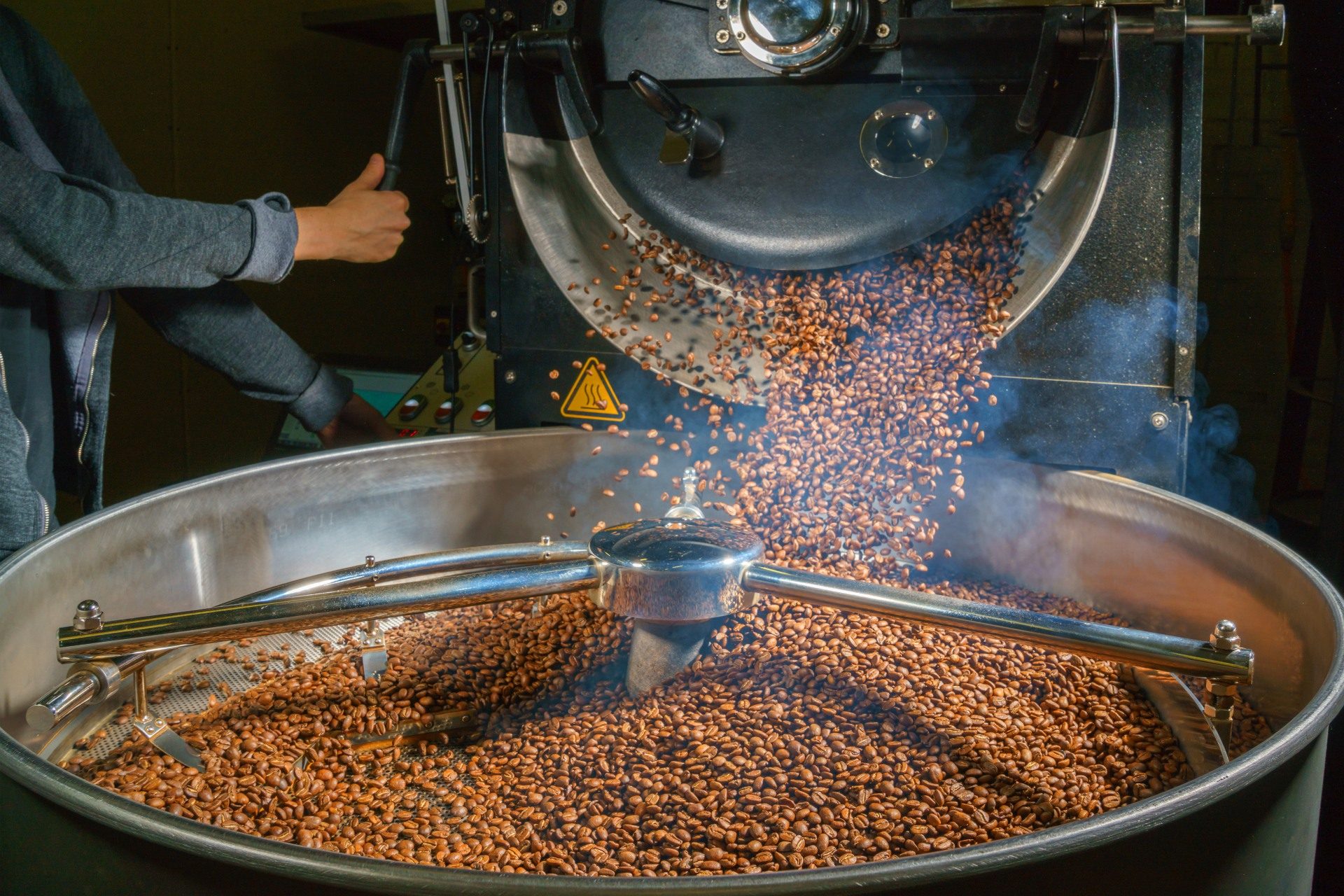
At Enigma Coffee, we roast in small batches every day at our roastery in Los Angeles. When you place an order -- online or through a subscription -- your coffee was roasted within the last few days, not the last few months. It ships while it is still in that peak flavor window, so it arrives at your door ready to brew at its best.
For our cafe locations in Sherman Oaks, Tarzana, and on Sunset Boulevard, the turnaround is even tighter. The beans behind the bar were roasted that same week, sometimes that same day. That is why a shot of espresso at Enigma tastes different from a shot pulled with beans that have been sitting in a hopper for a month -- the raw material is just fresher.

Small batch roasting also means more control. When you roast 20 pounds at a time instead of 2,000, you can monitor every variable -- temperature curve, airflow, development time -- and adjust in real time. A batch that does not meet the standard does not ship. At industrial scale, that kind of quality control is not realistic.
How to Tell If Your Coffee Is Fresh
A few things to look for when you are buying beans, from us or from anyone:
Look for a roast date, not a "best by" date. If the bag only shows an expiration date, the roaster does not want you to know how old it is. A roast date tells you exactly where the coffee sits on the freshness curve.
Buy whole bean when you can. Ground coffee loses flavor faster because more surface area is exposed to air. Grinding right before you brew makes a noticeable difference.
Finish the bag within 3 to 4 weeks of the roast date. You do not need to rush through it, but do not let a bag sit in the back of your pantry for three months either.
Store it right. Keep beans in an airtight container at room temperature, away from light and heat. Not in the fridge. Not in the freezer. Just a cool, dark shelf.

Freshness Is Not a Luxury - It Is the Baseline
We do not think daily roasting makes us special. We think it makes us honest. Coffee is an agricultural product with a short peak. Selling it weeks or months after roasting and charging specialty prices for it is like selling day-old sushi as premium -- the ingredients might have been great, but the clock ran out.
Every bag that leaves our roastery was roasted within days of your order. Every cup at our cafes was made with beans roasted that week. That is not a flex. That is just how coffee should work.


