


What Makes Specialty Coffee "Specialty"? A Simple Guide
So What Actually Makes Coffee “Specialty”?
You’ve probably seen the word “specialty” on coffee bags and café menus. But what does it actually mean? If your cup from a local coffee roaster tastes nothing like what comes out of a gas station pot, that’s not an accident — it’s a standard.
Let’s break it down — no jargon, no fluff.
It Starts With a Score
The Specialty Coffee Association (SCA) — the global authority on coffee quality — defines specialty coffee as any coffee that scores 80 points or above on a 100-point scale. This score comes from a formal evaluation called cupping, where trained Q Graders assess the coffee on aroma, flavor, acidity, body, sweetness, balance, and aftertaste.
Think of it like wine ratings: just as a 92-point wine signals something above ordinary, an 85-point coffee tells you that what’s in your cup has been carefully grown, processed, and roasted to bring out its best qualities.

Anything below 80? That’s considered commercial grade — the stuff that gets blended into mass-market bags where consistency matters more than character.
Quality That Starts at the Farm
Specialty coffee doesn’t become special at the roastery. It starts at origin — the specific farm, region, and even the altitude where the beans are grown. Single origin coffees, for example, come from one traceable source, which means every bag tells a story about its terroir: the soil, climate, and farming practices that shaped its flavor.
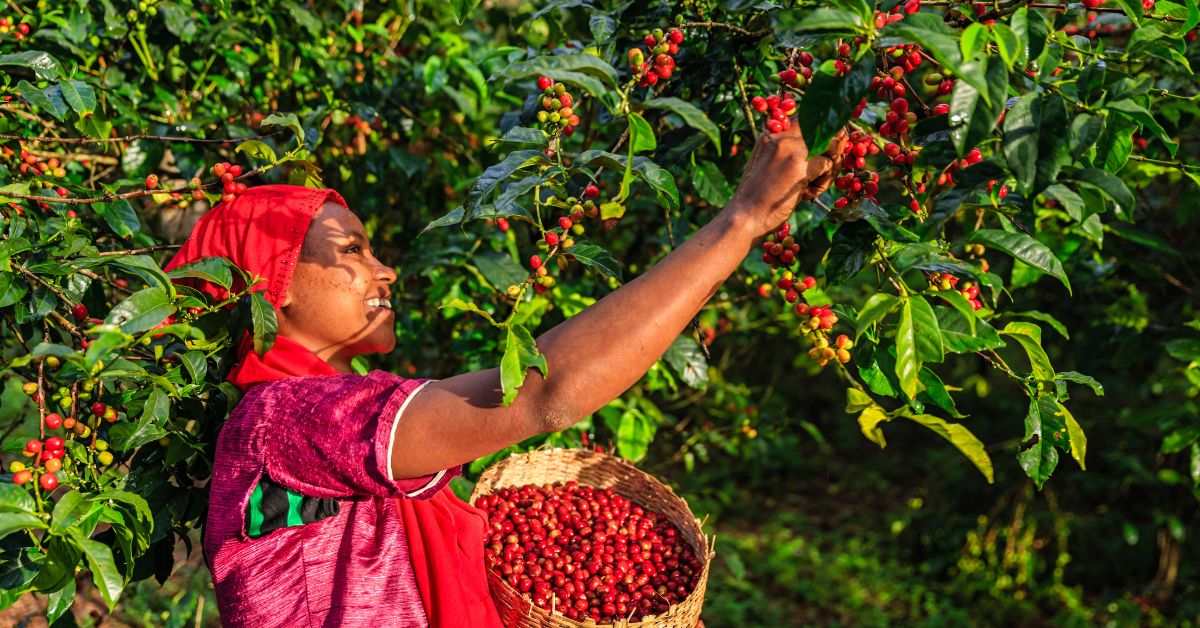
Ethiopian single origin might deliver bright cherry and blueberry notes. A Colombian lot might lean toward smooth milk chocolate and stone fruit. These aren’t flavors that get added later — they’re inherent to the bean itself, a result of where and how it was grown.

This level of traceability also means farmers are typically paid higher prices, because the quality of their work is recognized and rewarded — unlike commodity coffee, where everything gets mixed into one anonymous pile.
Roasting: Where Craft Meets Science
Even the highest-scored green coffee can be ruined by bad roasting. This is where specialty coffee roasters earn their reputation. Small batch roasting — roasting in limited quantities rather than industrial volumes — allows the roaster to monitor every second of the process, adjusting temperature and airflow to highlight the bean’s natural characteristics.
A skilled roaster knows that an Ethiopian bean might shine brightest at a light-to-medium profile that preserves its fruity acidity, while a blend built for espresso might need a slightly deeper development to bring out caramel and chocolate sweetness without bitterness.
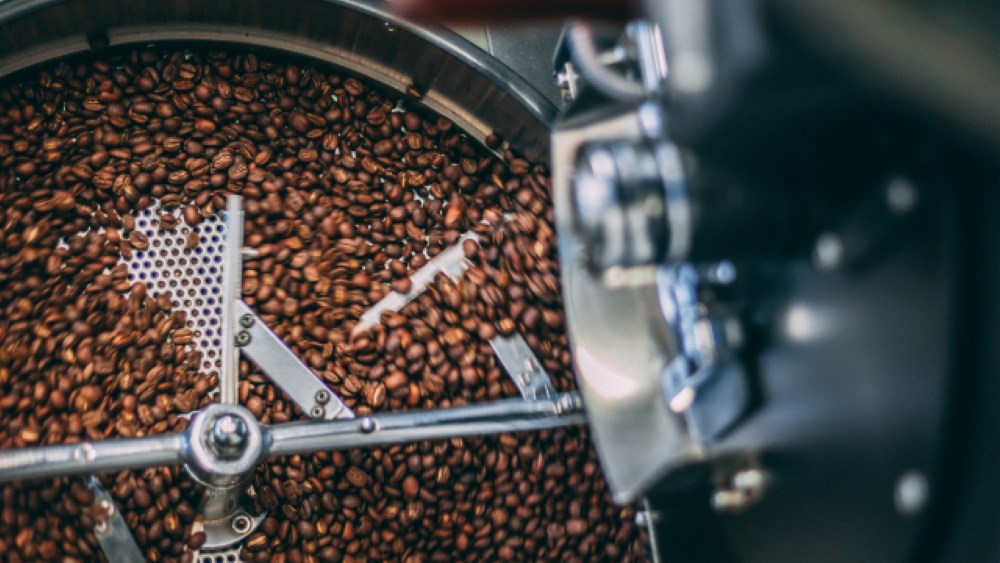
At Enigma Coffee, every batch is roasted daily in Los Angeles — meaning the coffee you order online or pick up at one of our locations in Sherman Oaks, Tarzana, or Sunset Boulevard was roasted within days, not weeks or months. Freshness at this level is something mass-produced coffee simply can’t offer.

How to Spot Specialty Coffee (and Why It Tastes Better)
Here are a few signs you’re looking at genuine specialty coffee:
Origin transparency. The bag tells you where the coffee is from — not just “Colombia,” but often the specific region, farm, or cooperative.
Roast date (not expiration date). Specialty roasters print when the coffee was roasted, because freshness matters. Look for coffee roasted within the last 2–4 weeks.
Tasting notes. Descriptors like “dark chocolate, caramel, stone fruit” aren’t marketing — they’re the result of professional cupping that identified those flavors in the bean.
SCA certification. Some roasters carry SCA certification, which signals that their processes meet globally recognized quality standards.

When you taste specialty coffee brewed right — a pour over that lets floral notes open up, or an espresso with layers of sweetness and body — you’ll understand why people get particular about their beans.
Is Specialty Coffee Worth the Price?
Here’s the honest answer: specialty coffee costs more because it costs more to produce. Hand-picking, careful processing, small batch roasting, and direct trade relationships all add up. A bag from a specialty coffee roaster will typically run $15–$25 for 12 oz, compared to $8–$12 for commercial brands.
But a 12 oz bag makes about 20–25 cups. Even at $25, that’s roughly $1 per cup — way less than a café, and the quality isn’t even in the same league as a grocery shelf bag.
If you’ve been drinking commercial coffee your whole life and you’re curious about what the fuss is about, the best way to start is with a single origin — something with clear, distinct flavors that will show you just how much range coffee can have.

The Bottom Line
Specialty coffee isn’t a marketing label — it’s a grading standard. It means the coffee in your cup was scored, sourced, and roasted with intention. And once you try it, regular coffee just doesn’t hit the same.
Curious to try it? Browse our single origins and blends, or stop by one of our Los Angeles locations and let our baristas walk you through what makes each coffee unique.

