


Ethiopian vs Colombian Coffee: Taste, Origin & How to Choose
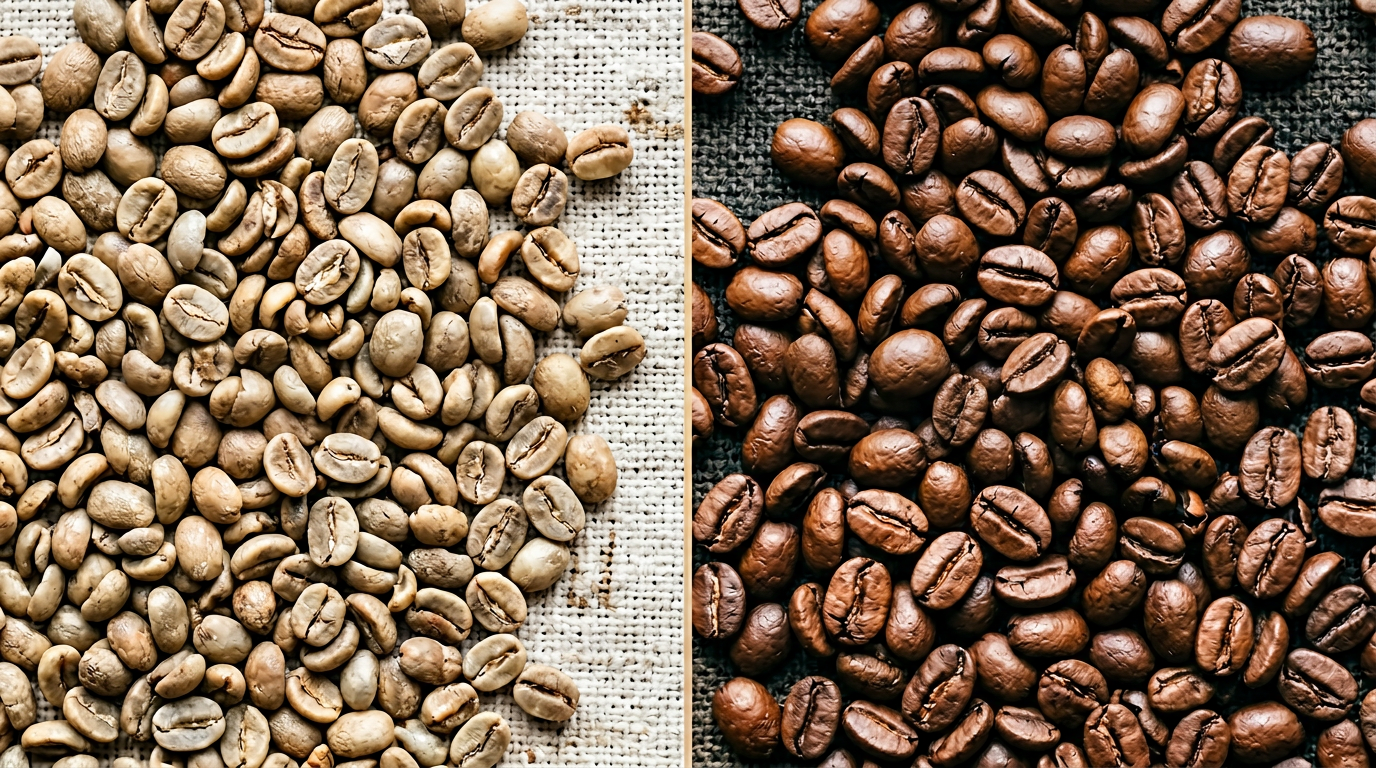
Two Countries. Two Cups. Completely Different Experiences.
If you’re standing in front of a coffee shelf — or scrolling through an online store — and you see an Ethiopian single origin next to a Colombian one, you might wonder: what’s the real difference? They’re both coffee. They’re both single origin. They might even cost the same.
But pour them side by side, and you’ll taste two completely different drinks. Here’s what sets them apart and how to pick the right one for you.
Ethiopian Coffee: The Birthplace of It All

Ethiopia isn’t just another coffee-producing country — it’s where coffee originated. The legendary story of a goat herder named Kaldi discovering energized goats munching on red cherries dates back to the 9th century, and while the tale may be embellished, the fact remains: Ethiopia’s relationship with coffee is older than any other country’s on Earth.
Today, Ethiopia is Africa’s largest coffee producer and the fifth largest in the world. What makes Ethiopian coffee so distinctive is the sheer genetic diversity of its beans. While most countries grow a handful of cultivated varieties, Ethiopia has thousands of heirloom varieties — many still unclassified — growing wild in highland forests between 1,500 and 2,200 meters above sea level.
What Does Ethiopian Coffee Taste Like?
In a word: vibrant. Ethiopian coffees are known for bright, fruit-forward flavors that catch people off guard — especially if you think coffee only tastes like… coffee.
Depending on the region and processing method, you might experience:
Yirgacheffe: Jasmine, lemon, bergamot — light, tea-like, almost floral
Sidamo: Blueberry, cherry, wine-like sweetness
Guji: Peach, tropical fruit, complex acidity
Harrar: Wild berry, dark chocolate, fermented fruit
Our Ethiopian single origin at Enigma Coffee is naturally processed — meaning the beans dry inside the cherry, which gives the cup those intense, unmistakable cherry and blueberry notes. It’s the kind of coffee that makes you pause mid-sip. Especially stunning as a pour over or drip, where the fruit tones come through clean, without being masked by milk.

Processing Matters
Ethiopia uses two main processing methods. Washed coffees are stripped of their fruit before drying, which gives a cleaner, brighter cup with crisp acidity and floral aromatics. Natural coffees dry inside the cherry, absorbing more sweetness and fruit flavor — heavier body, berry-forward, almost wine-like. Our Ethiopian is natural process, which is exactly why the cherry and blueberry come through so strongly.

Colombian Coffee: The World’s Benchmark

If Ethiopian coffee is the adventurous pick, Colombian is the reliable classic. Colombia has spent decades building its reputation as a source of consistently excellent coffee — and the geography backs it up.
Colombia’s geography is practically engineered for coffee. Three branches of the Andes create a mosaic of microclimates, altitudes (1,200–2,000 meters), and volcanic soils. The country produces coffee year-round thanks to its position near the equator, with two main harvest seasons that keep fresh beans flowing almost continuously.
What Does Colombian Coffee Taste Like?
Colombian coffees are the definition of balanced. Where Ethiopian beans zig toward fruit and florals, Colombian beans tend to deliver a rounder, more approachable cup:
Huila: Caramel, red apple, juicy acidity
Nariño: Citrus, brown sugar, medium body
Antioquia: Nutty, milk chocolate, soft sweetness
Tolima: Stone fruit, toffee, creamy mouthfeel
Our Colombian single origin brings a smooth milk chocolate layer combined with stone fruit — a cup that’s comforting and complex at the same time. It’s the kind of coffee that works beautifully as an espresso (rich and sweet) or as an afternoon drip that doesn’t demand your full attention but rewards it when you give it.

Side-by-Side: Ethiopian vs Colombian at a Glance
|
Ethiopian |
Colombian |
|
|
Flavor profile |
Bright, fruity, floral, complex |
Balanced, chocolatey, nutty, smooth |
|
Acidity |
High, wine-like or citric |
Medium, clean, juicy |
|
Body |
Light to medium |
Medium to full |
|
Sweetness |
Berry, stone fruit |
Caramel, chocolate, toffee |
|
Best brew method |
Pour over, drip, AeroPress |
Espresso, drip, French press |
|
Best for |
Adventurous palates, black coffee |
Everyday drinkers, latte lovers |
|
Processing |
Washed or natural |
Mostly washed |

So Which One Should You Choose?
Go Ethiopian if: you drink your coffee black and want something unexpected. If you enjoy wine, tea, or fruit-forward flavors, Ethiopian coffee will open up a whole new side of what coffee can taste like. Best brewed as pour over or drip at home.
Go Colombian if: you want a dependable, crowd-pleasing cup — especially if you add milk or make lattes. Colombian beans hold up beautifully under milk and sugar without losing their character. If you’re pulling espresso shots at home, Colombian single origins are a safe bet for rich, sweet extractions.
Can’t decide? Try both. Seriously — tasting them back to back is the fastest way to understand your own preferences. Or try a well-crafted blend that brings both worlds together.

A Word on Freshness
Regardless of which origin you choose, freshness is what separates a memorable cup from a forgettable one. Coffee is an agricultural product — it peaks 7–21 days after roasting and gradually loses its complexity from there. At Enigma Coffee, we roast daily in Los Angeles and ship within days, so whether you’re ordering Ethiopian or Colombian beans online, you’re getting coffee at its peak.


Ready to taste the difference for yourself? Shop our single origin coffees and discover which origin speaks to your palate.